
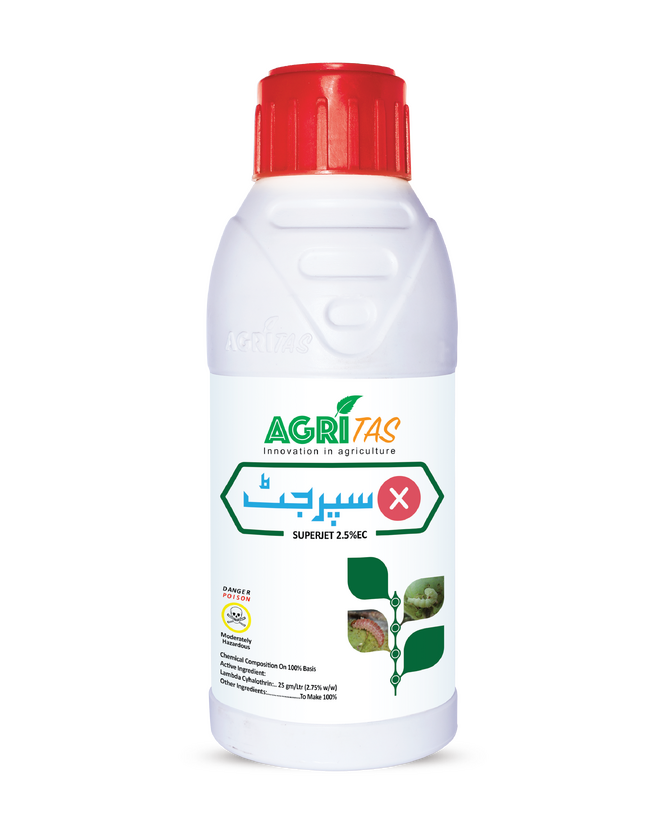
Pesticide
SuperJet™
Lambda Cyhalothrin 2.5% EC

Field library
Pink Bollworm
Pink Bollworm is a highly destructive pest that primarily attacks cotton crops. It bores into cotton bolls and flowers, causing significant damage to both the quantity and quality of the cotton yield. This pest is a major threat to cotton production and can severely impact the fiber quality.
Affected Crop:
Damage:
1. Boll Damage: Pink bollworm larvae bore into cotton bolls, feeding on the seeds and damaging the internal structure, leading to boll rot and premature boll opening.
2. Flower Damage: It also attacks the flowers, causing them to drop prematurely.
3. Reduced Yield: Severe infestations can lead to a considerable reduction in crop yield and a deterioration in fiber quality.
4. Late-Stage Damage: The pest usually infests the crop in its later stages, making it difficult for farmers to detect early on.
Control Methods:
Agritas offers effective products for controlling pink bollworm:
1. Cygny (Deltamethrin + Triazophos):
• Highly effective for controlling pink bollworm and other pests.
• Application: Spray at the first sign of infestation and follow label instructions for proper dosage.
2. Veento 1.9%EC (Emamectin):
3. Morwet duo
Additional Tips:
Open 20 green bolls from across the field and look for entry holes, tunnelling and pink larvae inside. Pheromone traps show when moths are flying.
Control
Pesticide
Lambda Cyhalothrin 2.5% EC
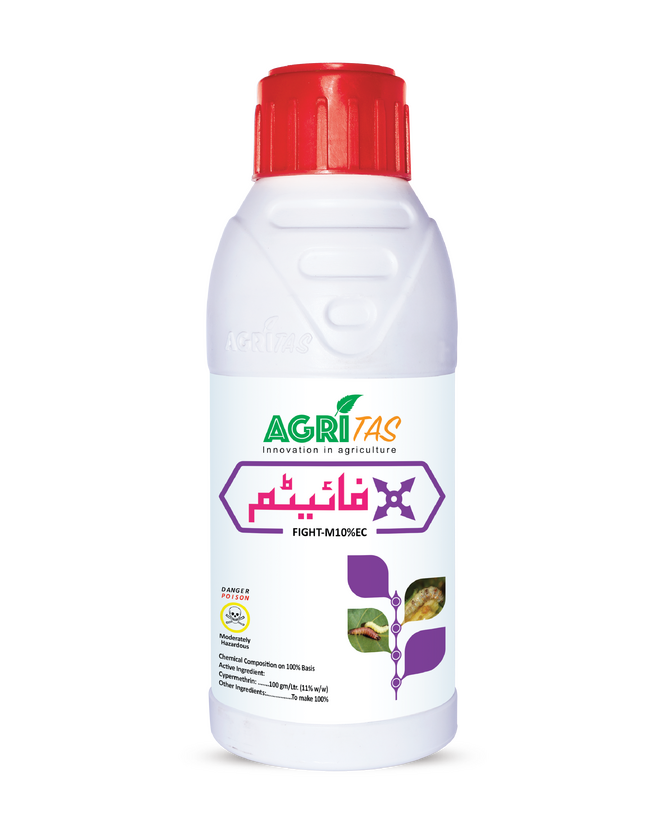
Pesticide
Cypermethrin 10% EC
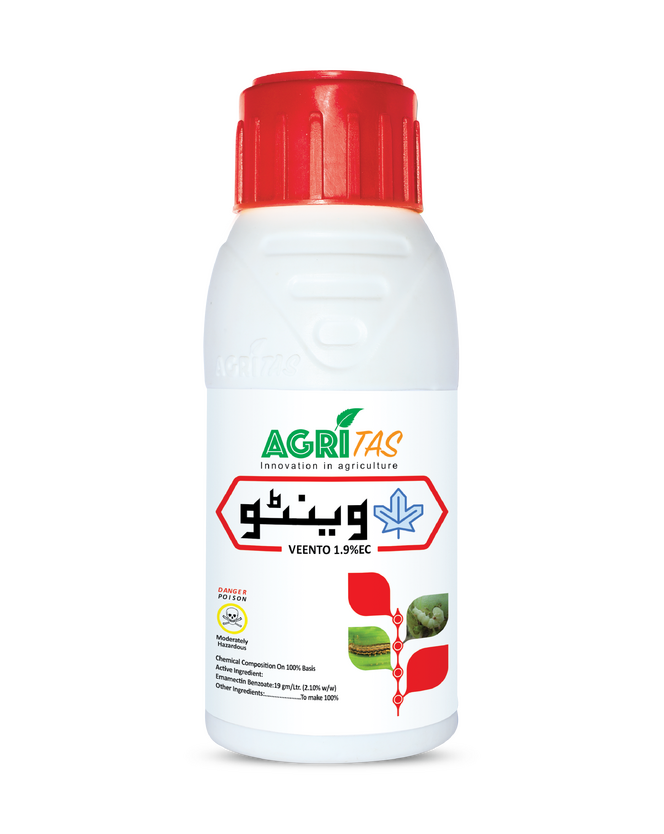
Pesticide
Emmamectin benzoate 1.9%EC
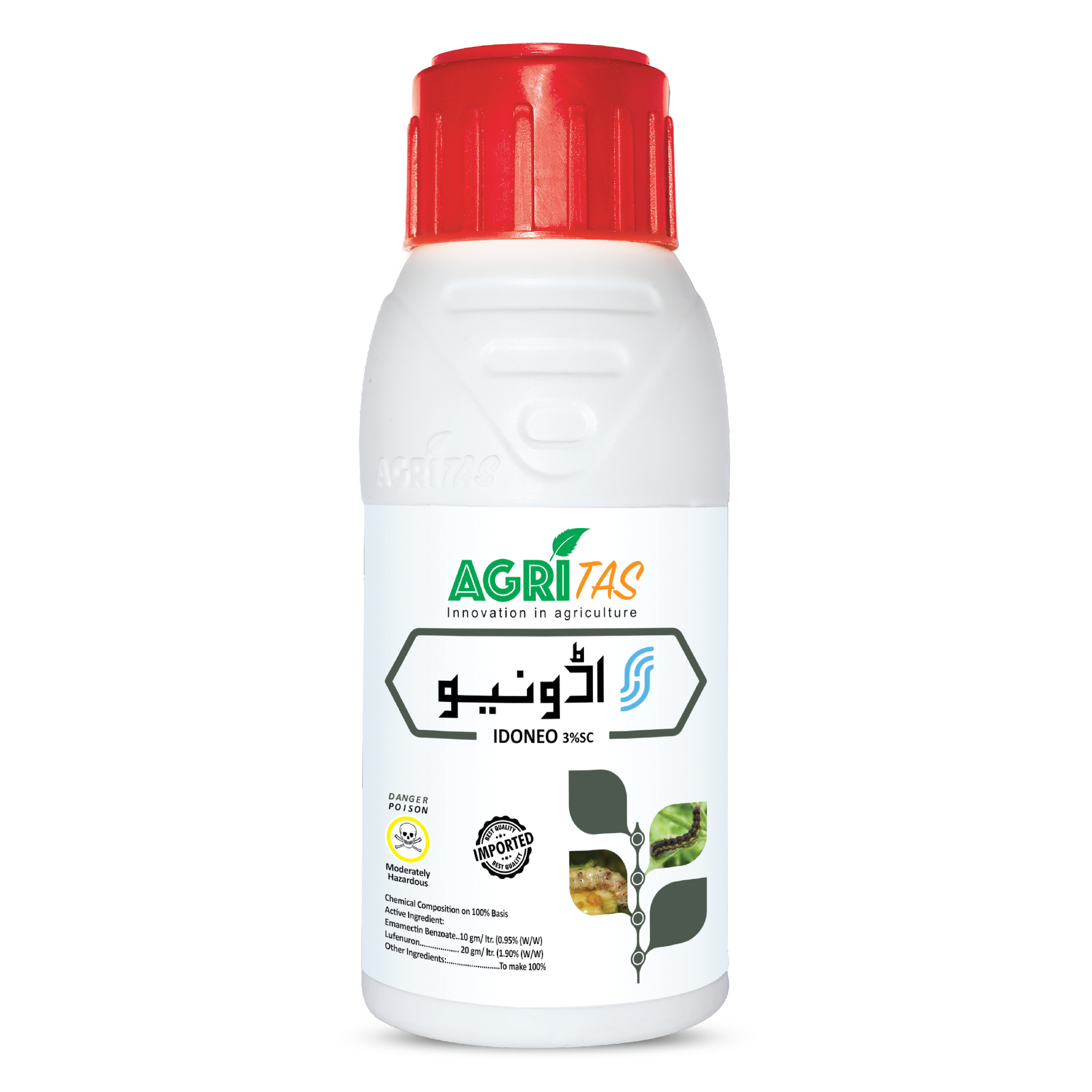
Pesticide
Emamectin benzoate 0.95% + Lufenuron 1.90%, 3% SC
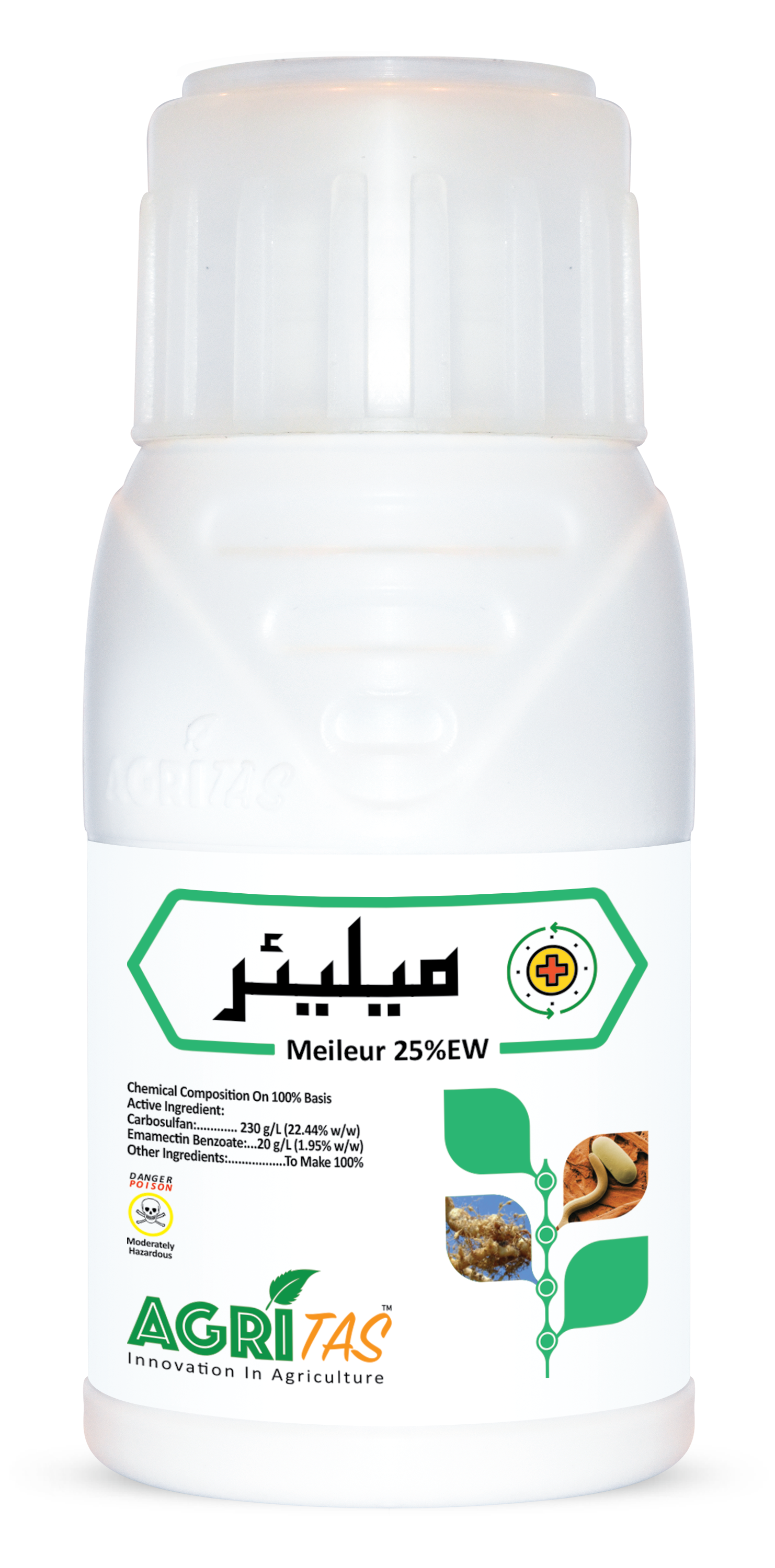
Pesticide
carbosulfan 22.44% w/w + Emamectin Benzoate 1.95% w/w
Price on call
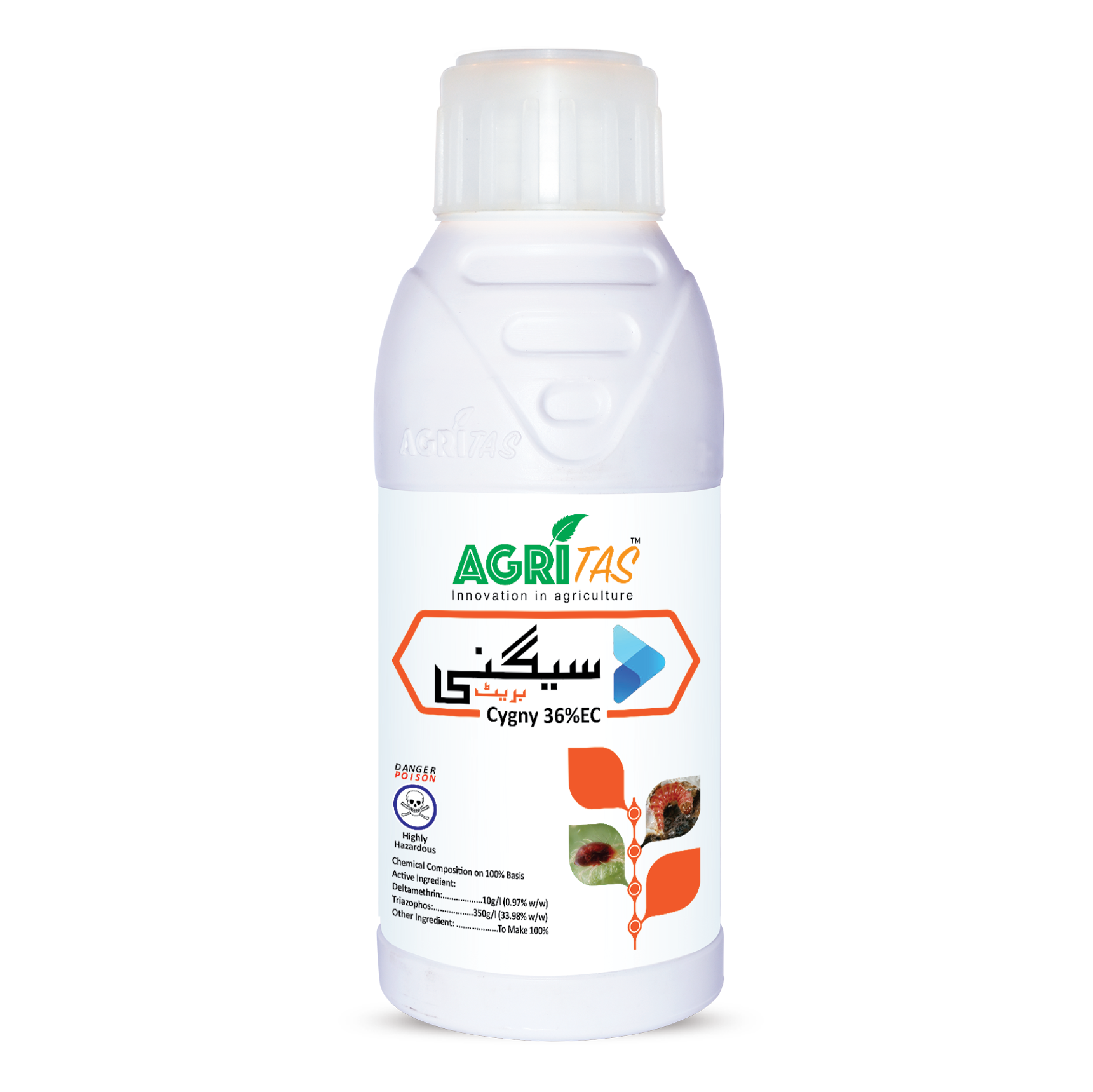
Pesticide
Deltamethrin + Triosophos
Rs 2,155 / 500 ml
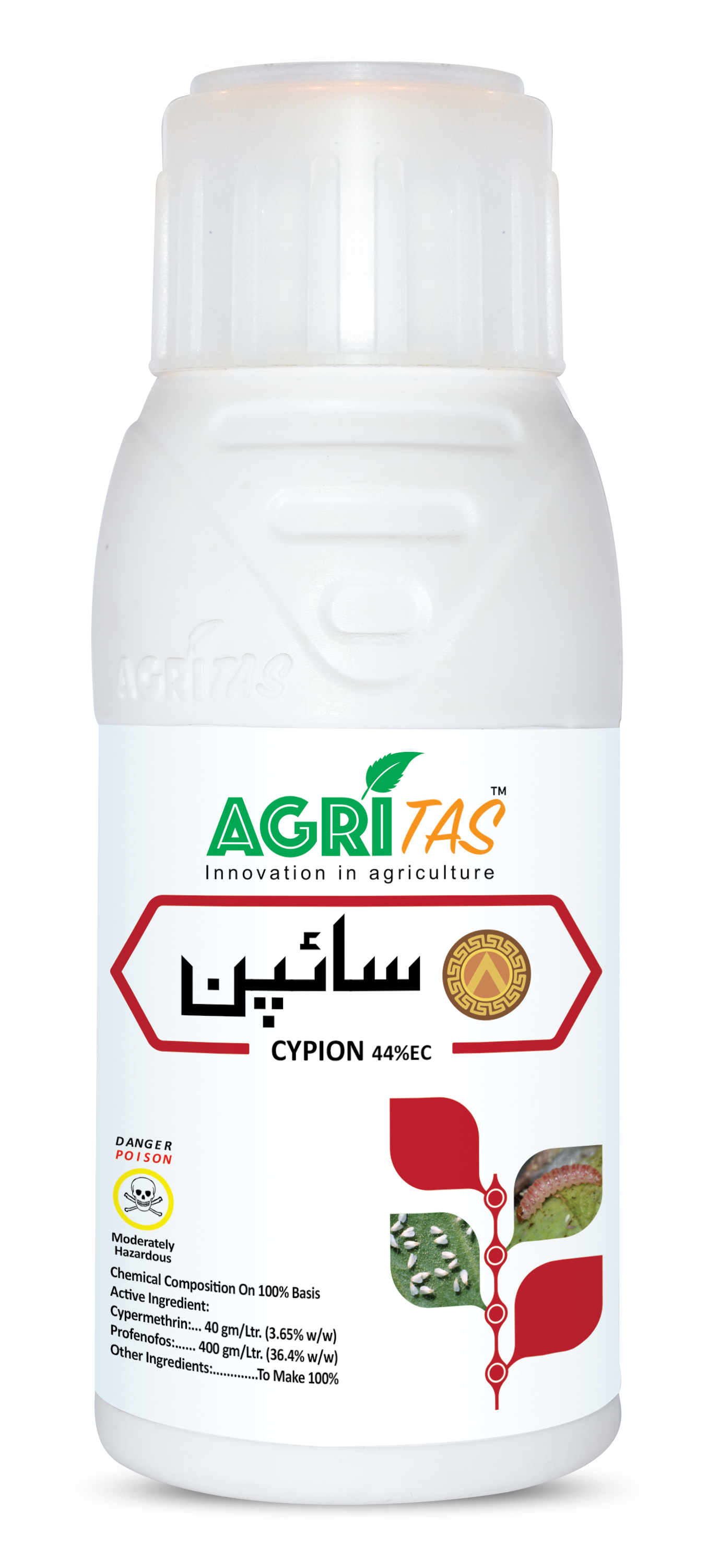
Pesticide
Cypermethrin + Profenofos
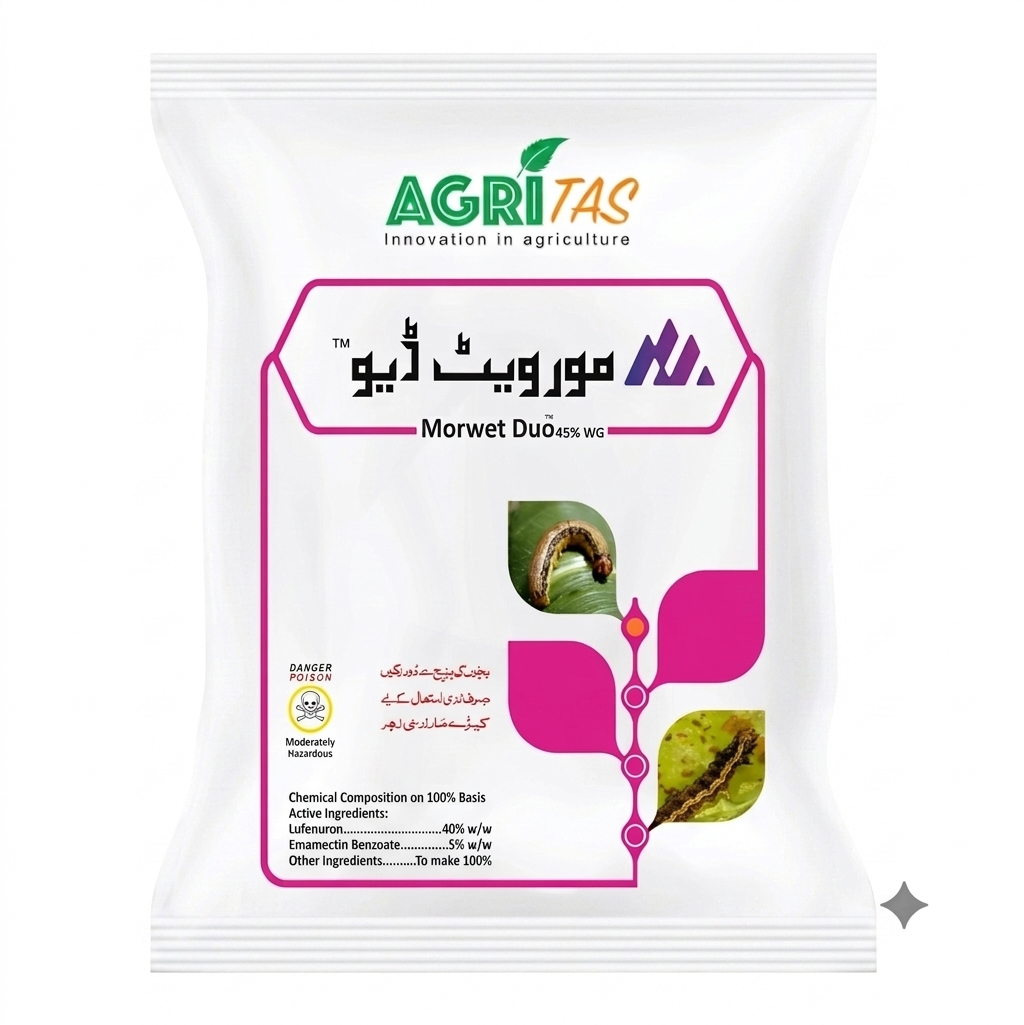
Pesticide
Lufenuron + Emamectin Benzoate 45% WG
Rs 878 / 30 gm
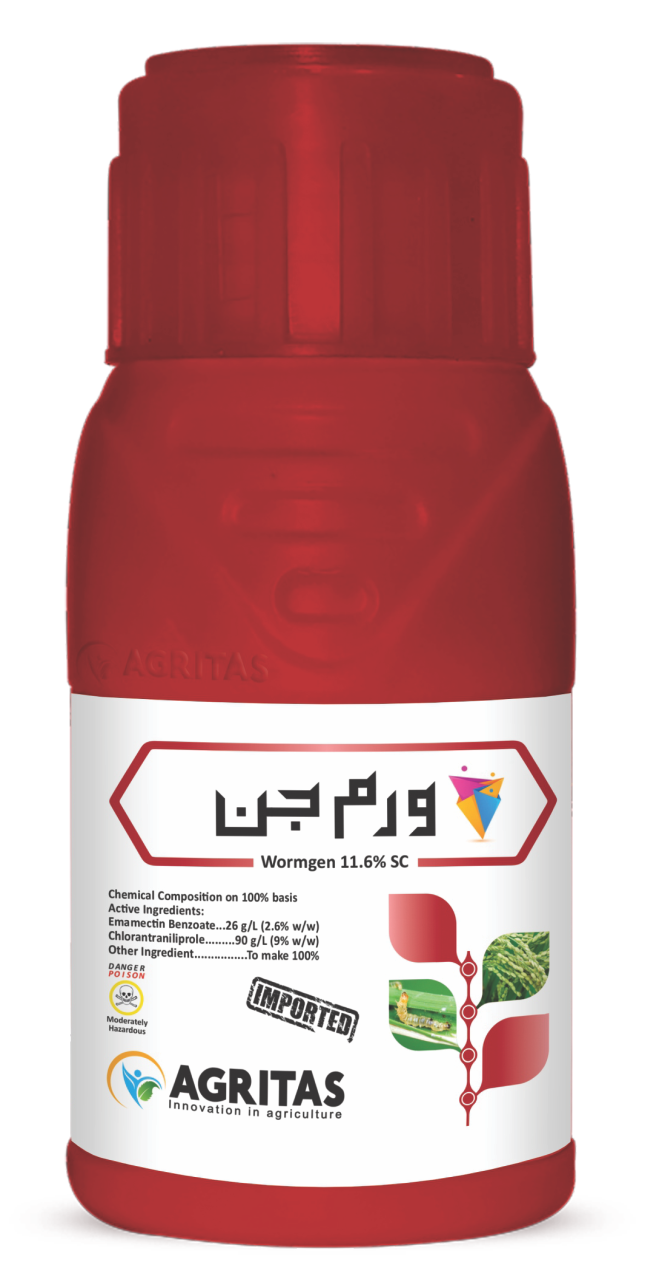
Pesticide
Emamectin Benzoate 2.6% + Chlorantraniliprole 9%
Rs 1,280 / 100 ml
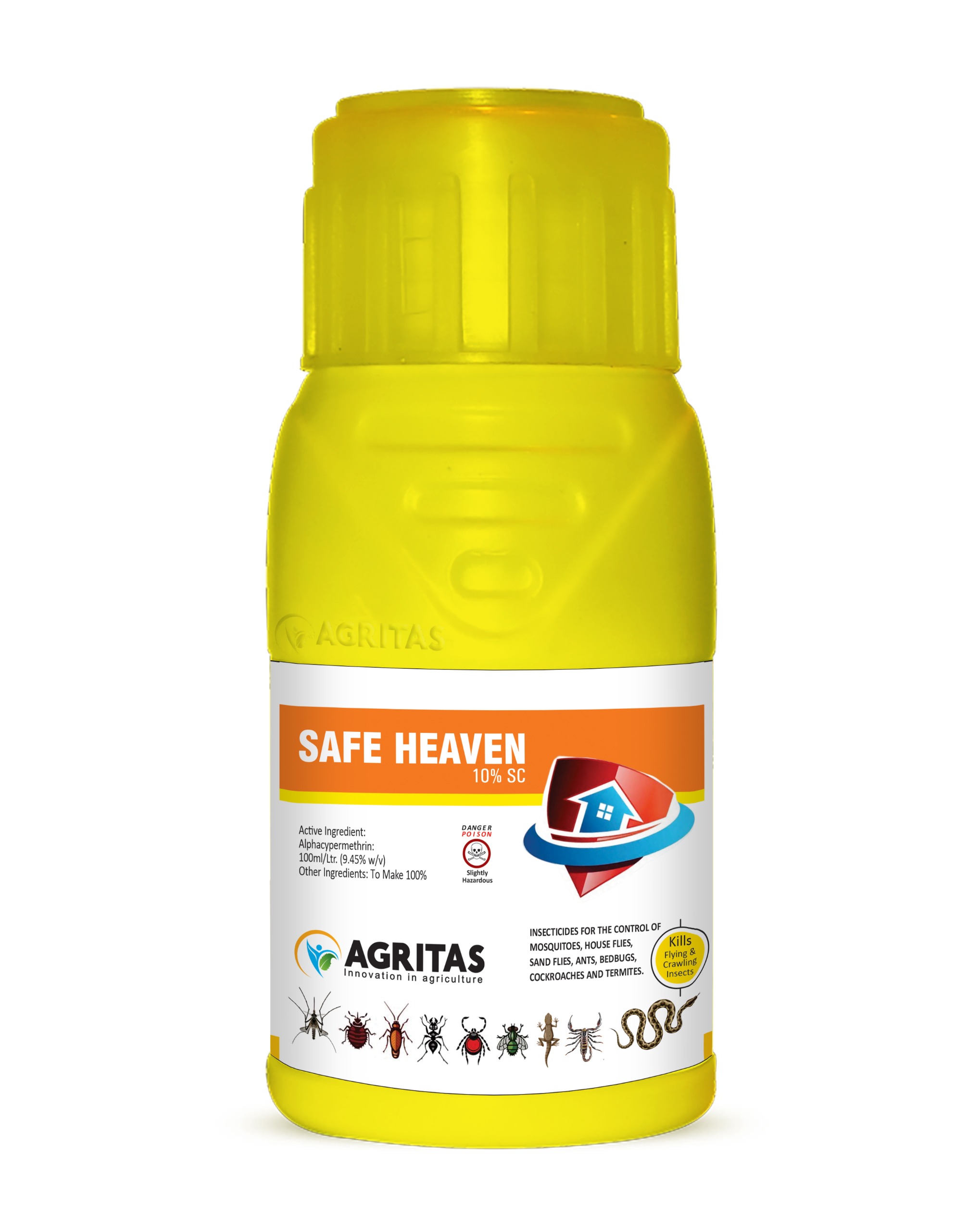
Pesticide
Alpha Cypermethrin 10% SC
Rs 630 / 100 ml

ZARAAT · powered by Agritas
Crop guides, pest diagnosis, weather, mandi rates and ordering — in Urdu and English.