
A Nazeer Group Company · Since 1984

Cash on delivery across Pakistan

Agritas — Innovation in agriculture
  1. Home
  2. Crop Solutions
  3. Citrus

Crop guide

Citrus

Complete Crop Program for Citrus (Kinnow) Fertilization and Nutrient Management 1. Farmyard Manure (FYM): • Time: December to January • Quantity: 50-60 kg per tree • Method: • Spread the manure evenly under the tree canopy.

Perennial Sowing Jan–Jan Harvest Jan–Jan 100–200 maund per acre

Farmyard Manure (FYM)

  • Time: December to January
  • Quantity: 50-60 kg per tree
  • Method:
  • Spread the manure evenly under the tree canopy.
  • Mix well into the soil and apply 200 grams of urea per tree, then irrigate.
  • Alternative: If cow manure is unavailable, use 20-30 kg of goat or poultry manure per tree.

Chemical Fertilizers

  • January to February: Apply nitrogen-based fertilizers (urea or DAP).
  • March to April: Apply phosphorus and potassium fertilizers.
  • September to October: Spray micronutrients such as zinc and boron.

Irrigation Management

  • During the summer, irrigate weekly.
  • In winter, irrigate every 15 days.
  • Increase irrigation frequency during the fruit development phase.

Pruning

  • Time: February to March
  • Purpose:
  • Remove old, dry, and diseased branches.
  • Maintain proper tree shape and structure.
  • Tools: Pruning shears and knives available in local markets.

Pest and Disease Management

Fruit Fly

  • Symptoms: Holes in fruits and presence of larvae.
  • Control:
  • Install methyl eugenol traps (5 traps/acre).
  • Collect and bury infested fruits.

Leaf Miner

  • Symptoms: Silvery trails and curling on leaves.
  • Control:
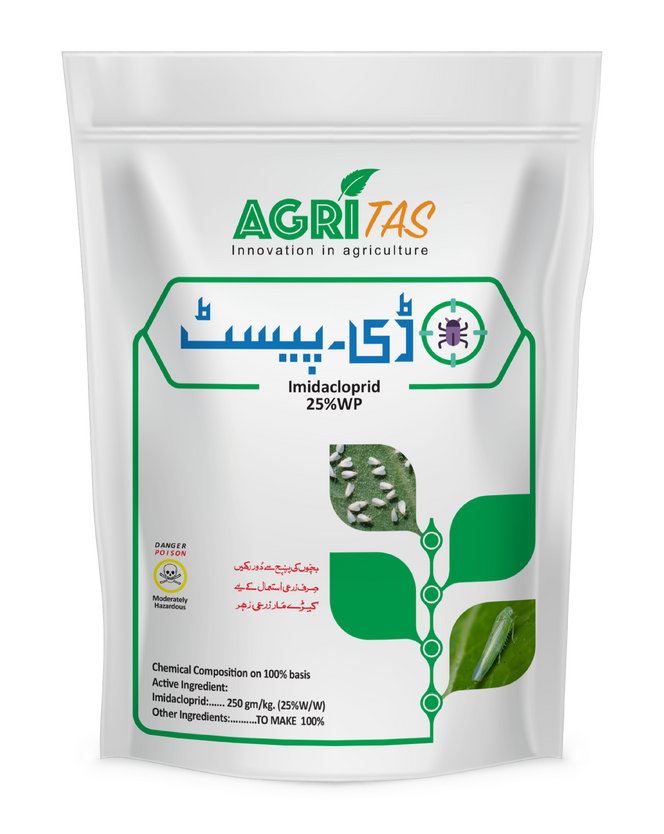
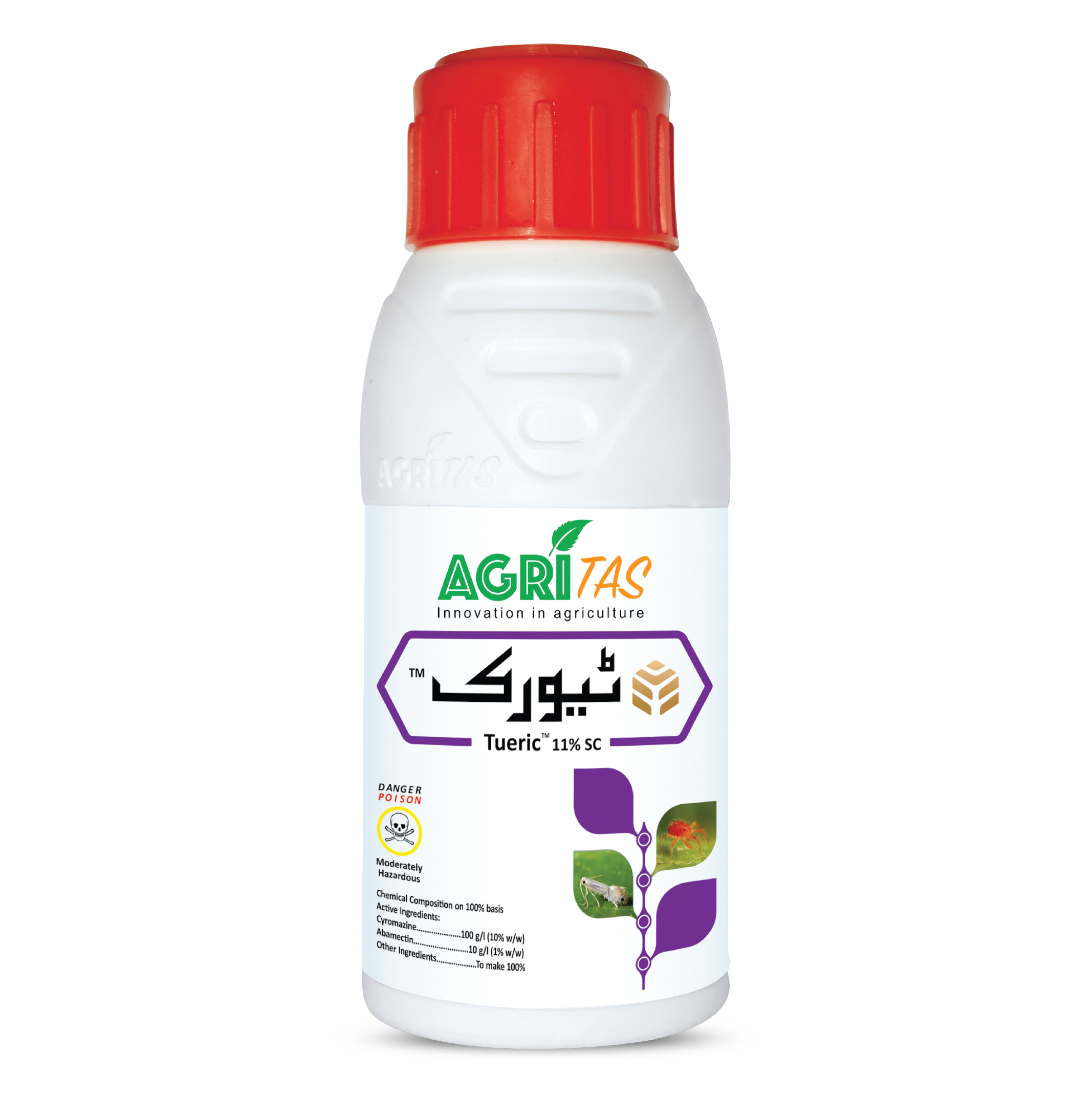
  • Spray: Tueric or D-Pest.
  • Cut and destroy infested branches.

Citrus Canker

  • Symptoms: Small yellow spots on leaves and fruits that harden into cork-like lesions.
  • Control:
  • Spray Copper Oxychloride.
  • Prune infected branches.

Gummosis

  • Symptoms: Gum oozing and bark splitting from tree trunks.
  • Control:
  • Remove the infected bark and apply Bordeaux paste.
  • Ensure proper drainage.

Beneficial Insects and Natural Protection

  • Beneficial Insects: Ladybird beetles, Chrysopa, dragonflies, and syrphid flies.
  • Methods:
  • Minimize chemical sprays.
  • Promote biological control methods.

For Advice and Assistance, Contact

Agritas UAN: +92336 11 11 130

Weed Management

Weed Damage Control Product
Purple Nutsedge (Deela) Refills the basin after every irrigation and drinks the water and nitrogen the tree's shallow roots need, so the fruit stays small. Hoe the basin after each irrigation and lift the tubers out
Bermuda Grass (Khabbal) Its mat drinks the irrigation and the fertiliser before they reach the tree's roots, so growth slows and the fruit stays small. Dig the runners out with a kasola, then mulch the basin thickly but keep the mulch off the trunk
Horse Purslane (Itsit) Blankets the basin after the monsoon rain and takes the water just when the fruit is sizing. Hand weed the basin after the monsoon showers, before it sets seed
Field Bindweed (Lehli) Twines up young trees and shades the new flush, so the sapling stays stunted in its first years. Pull the vines off the trunk by hand and keep the skirt branches lifted off the ground
Parthenium (Gajar Booti) Chokes the inter-row through the monsoon and takes the water and nitrogen while the fruit is sizing. Uproot it with gloves on before it flowers and never let it seed

Pests & diseases of Citrus

ZARAAT · powered by Agritas

Get the Zaraat app

Crop guides, pest diagnosis, weather, mandi rates and ordering — in Urdu and English.
Google Play