
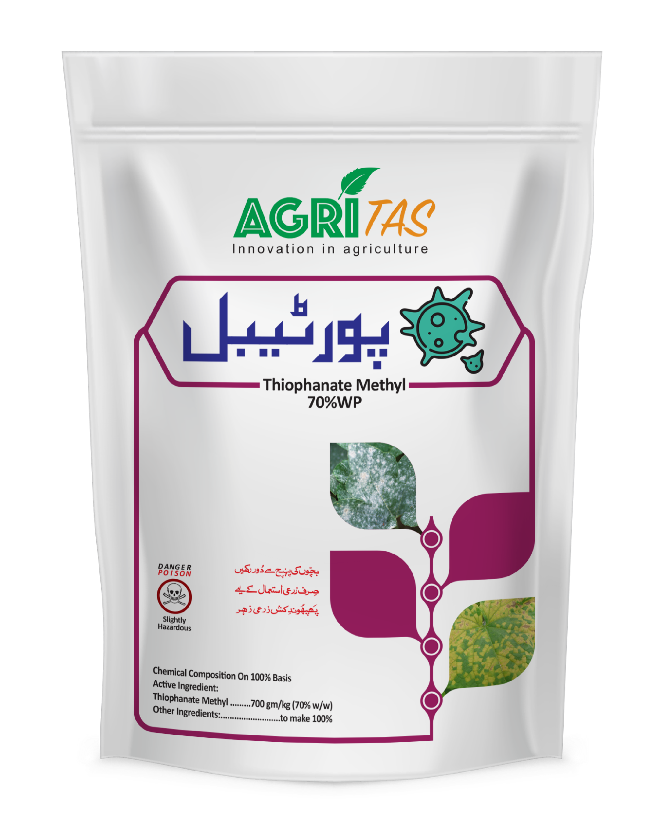
Fungicide
Portible™
Thiophanate Methyl 70% WP

Crop guide
Cabbage Crop Program – Pakistan 1. Soil Preparation • Deep ploughing 2–3 times for a fine, well-prepared seedbed. • Farm Yard Manure (FYM): 3–4 tons per acre before final ploughing.
Season Nursery Sowing Transplanting
Winter crop August – September October – November
Spring crop December – January February – March
Seedlings are ready for transplanting after 30–40 days.
Fertilizer Quantity Application Time
DAP (18:46:0) 1–1.5 bags (50–75 kg) At transplanting
Urea (46% N) 1 bag (50 kg) Half at transplanting, half 30 days later
SOP (Potash) 1 bag (50 kg) At head formation stage
Nitrogen improves growth, and Potash enhances head size and quality.
Weed Damage Control Product
Bathu (Lambsquarters) Germinates with the crop in the cold weeks and takes the nitrogen meant for heading, so the heads stay loose and light. Pendimethalin 33%EC
Fumitory (Shahtra) Comes up thick soon after transplanting and takes the light and moisture from the small plants, so the crop starts slow and heads late. Pendimethalin 33%EC
Sweet Clover (Senji) Germinates in a thick flush with the winter irrigations and takes the water and nitrogen meant for heading, so the heads come small. Pendimethalin 33%EC
Canary Grass (Dumbi Sitti) Germinates thick with the winter irrigations and keeps taking water and nitrogen right through head filling, so the heads weigh light at cutting. Pendimethalin 33%EC
Dock (Jangli Palak, Rumex dentatus) Its broad leaves shade the young plants and it takes the nitrogen through the season, so the crop heads late and the heads come small. Hand weeding with the hoeing 20–25 days after transplanting
Pest Damage Recommended Insecticide
Cabbage butterfly Feeds on leaves, reduces quality Veento™ 1.9% EC (Emamectin Benzoate)
Aphids Suck sap, stunted growth D-Pest™ 25% WP (Imidacloprid) or Coupraze™ 25% WG (Thiamethoxam)
Cutworm Cuts seedlings near soil Zizir 10% EC (Bifenthrin) soil application or spray
Diamondback moth Makes holes in leaves Veento™ 1.9% EC (Emamectin Benzoate)
Disease Symptoms Control
Damping-off Seedlings wilt and collapse Seed treatment with Carbendazim
Leaf curl virus Leaves become thick and twisted Remove infected plants + control whitefly
Alternaria Leaf Spot / Head Rot Dark ringed spots on the outer leaves and on the head Espot 50% SC (Azoxystrobin + Tebuconazole)
Powdery mildew White powdery layer on leaves Vesant 80% (Sulphur 80%)
Black Rot V-shaped yellow patches in from the leaf edge, veins turning black Sow treated seed, rogue out infected plants and rotate away from cabbage and its relatives. It is a bacterium, so no fungicide will stop it
For technical or product support:
Agritas Helpline: +92 336 1111 130
 Whiteflyhigh
 Aphidsmedium
 Cutwormmedium
 Cabbage butterflyhigh
 Diamondback mothhigh
 Cotton Leaf Curl Virushigh
 Powdery Mildewmedium
 Downy Mildewmedium
 Damping Offhigh
 Fusarium Wilthigh
 Anthracnosemedium
 Leaf Curl Virushigh
 Boron Deficiencymedium
 Nitrogen Deficiencymedium
Phosphorus Deficiencymedium
Micronutrient Deficiencymedium
Nitrogen Deficiencymedium
Phosphorus Deficiencymedium
Micronutrient Deficiencymedium
Recommended
Fungicide
Thiophanate Methyl 70% WP
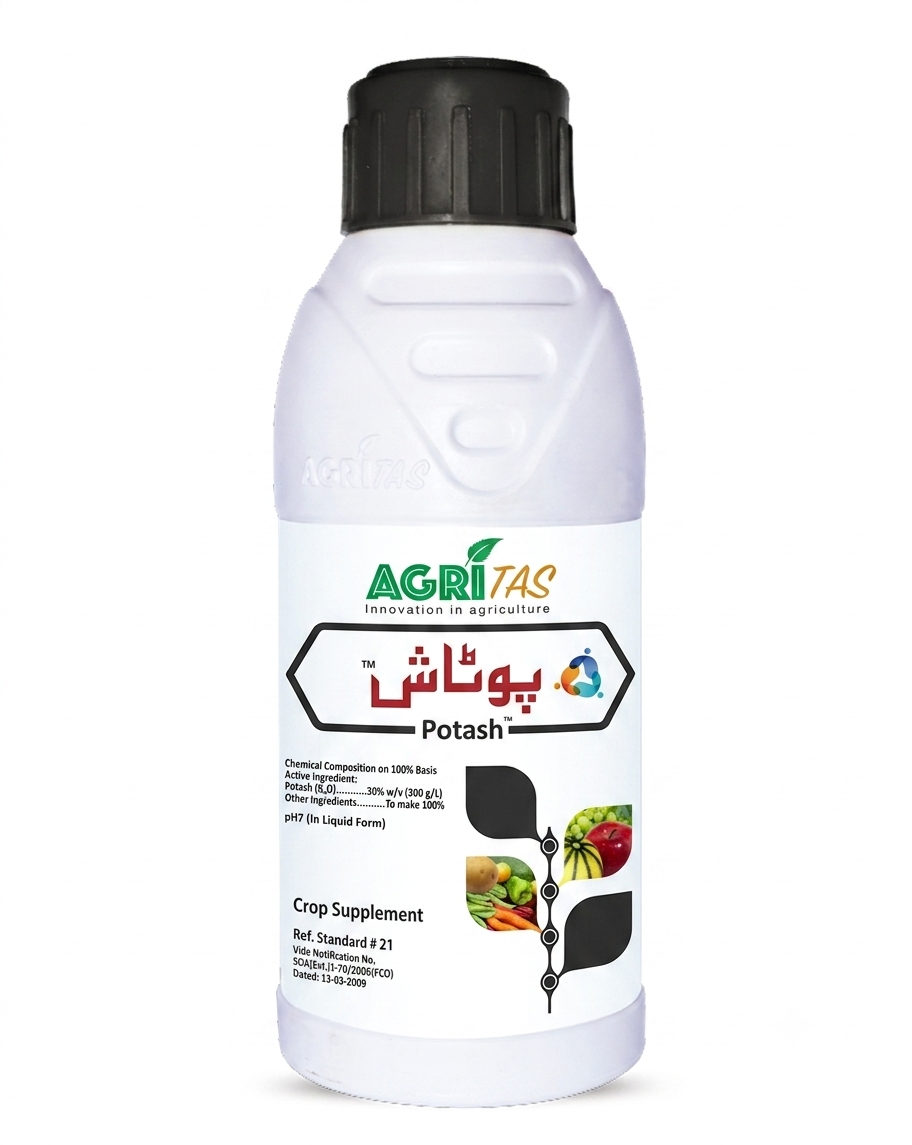
Micro Nutrients
Potash, PH7( In liquid Form)
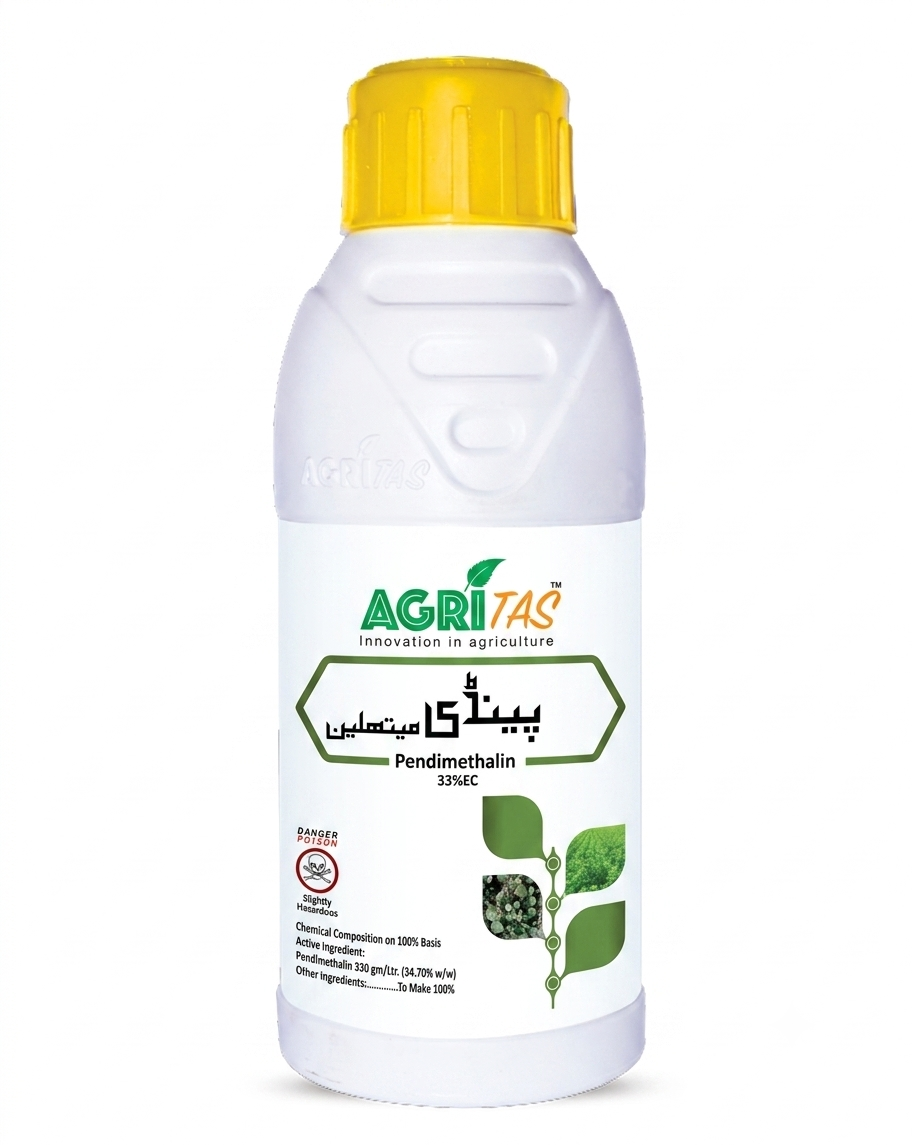
Herbicide
Pendimethalin 33%EC
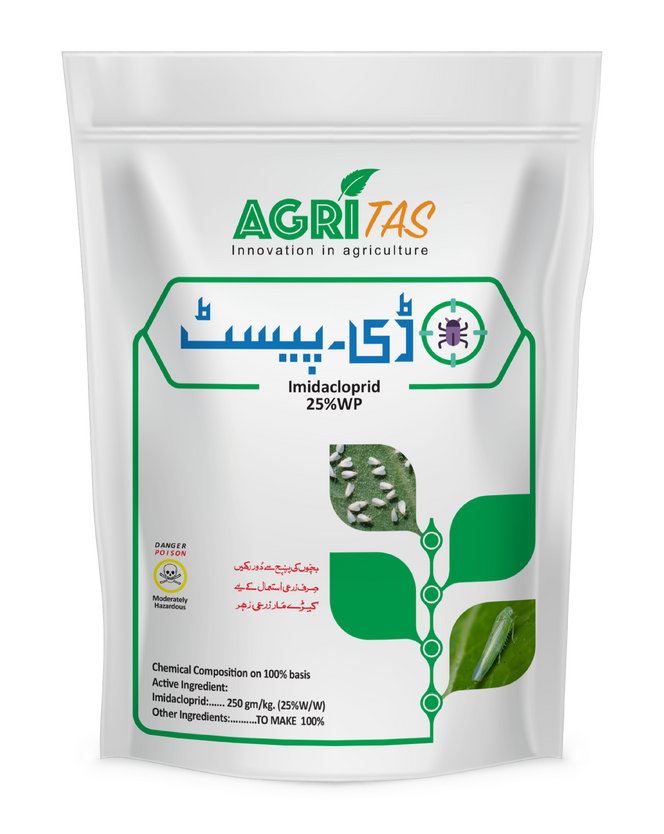
Pesticide
Imidacloprid 25% WP
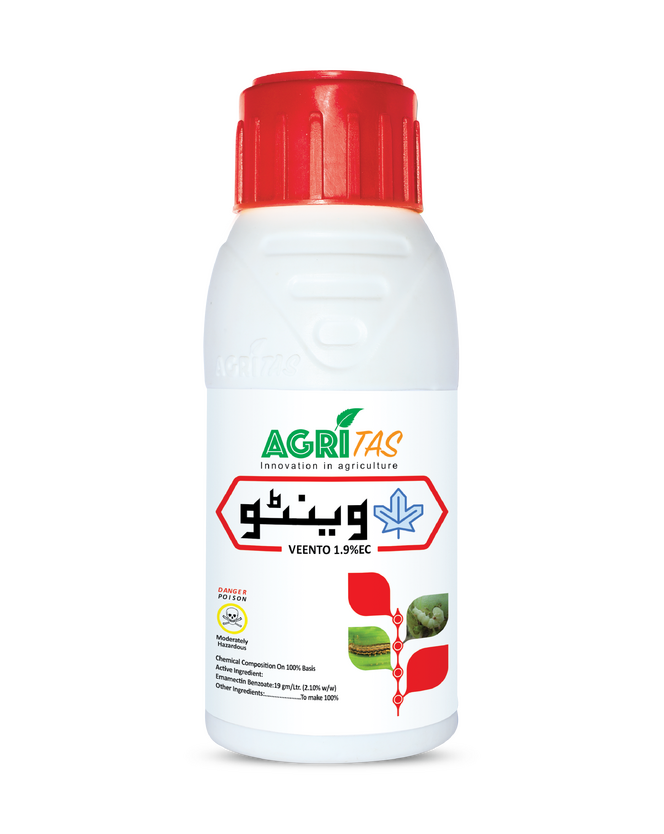
Pesticide
Emmamectin benzoate 1.9%EC
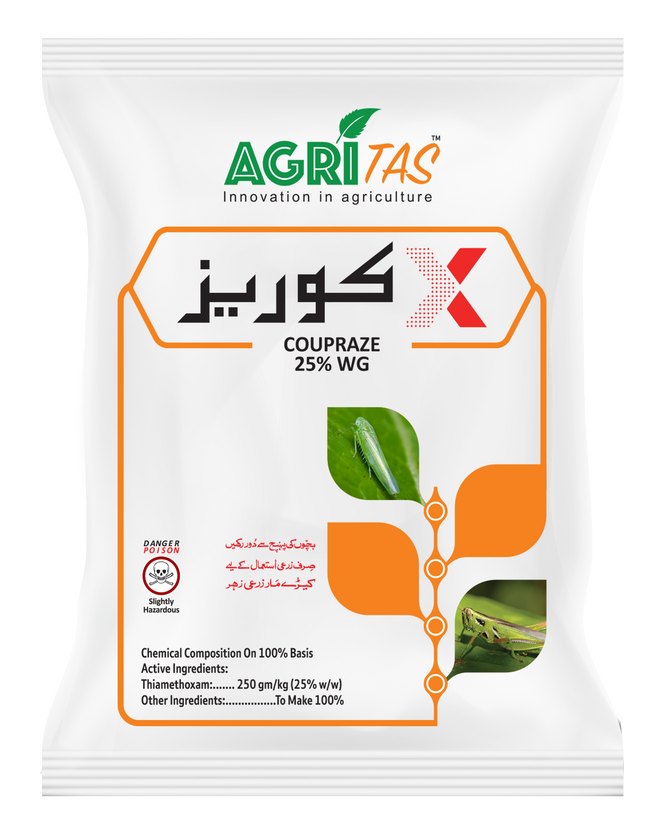
Pesticide
Thiamethoxam 25% WG
Rs 257 / 24 gm
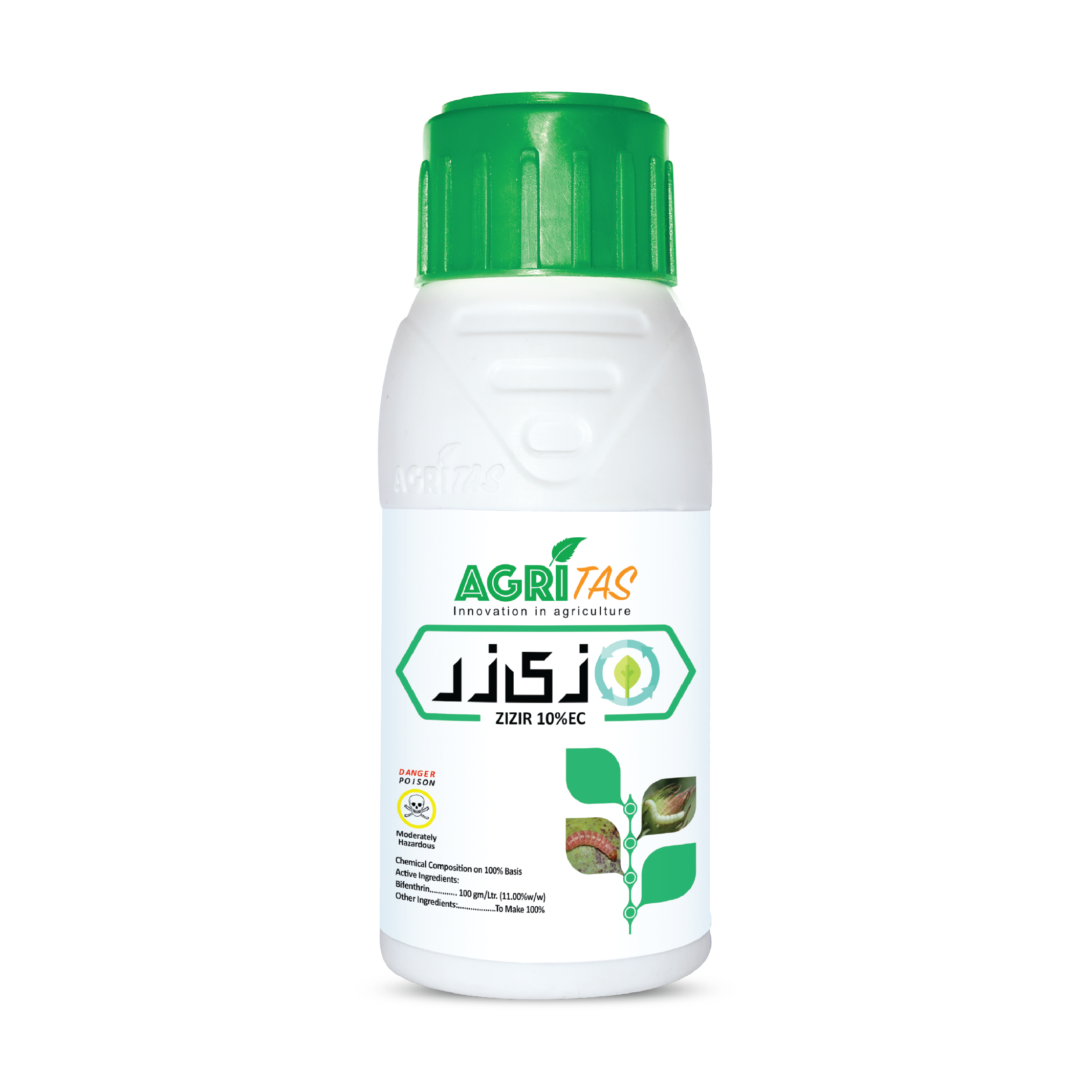
Pesticide
Bifenthrine 10% EC
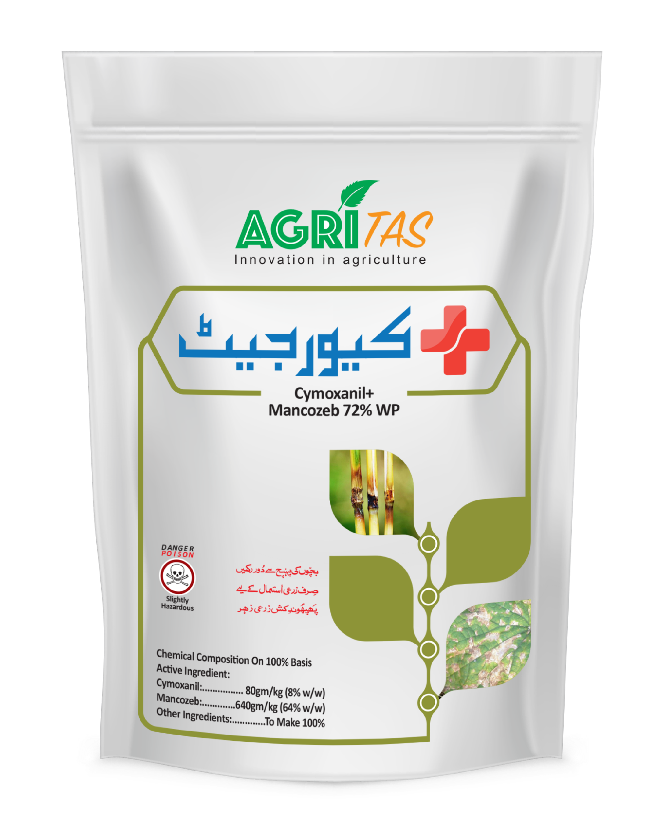
Fungicide
Cymoxanil 8% + Mancozeb 64%, 72% WP

ZARAAT · powered by Agritas
Crop guides, pest diagnosis, weather, mandi rates and ordering — in Urdu and English.